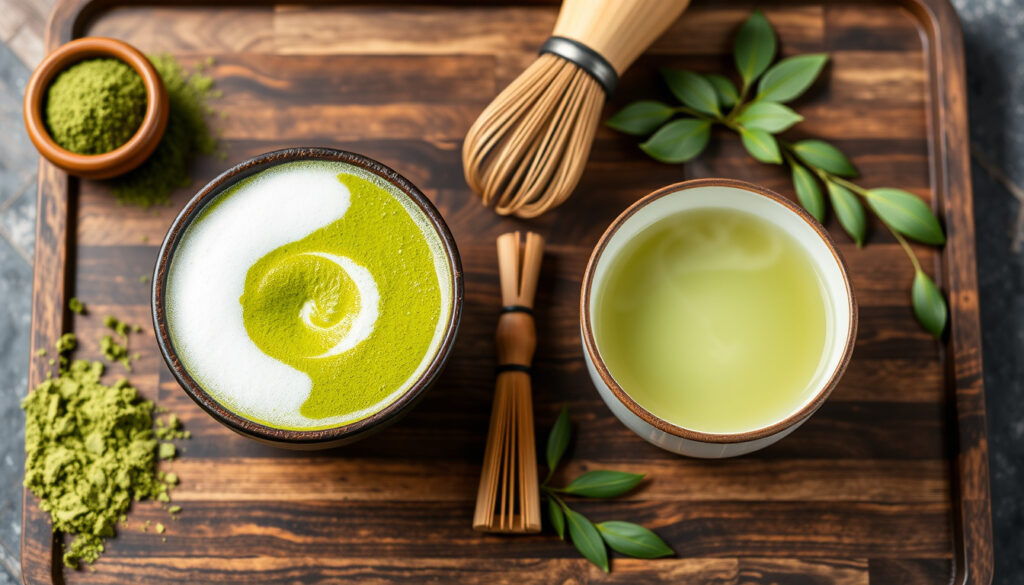
Matcha vs Green Tea – Key Differences and Health Benefits
Both matcha and green tea originate from the Camellia sinensis plant, yet their production methods, nutritional profiles, and effects on the body differ substantially. Matcha involves shade-growing the leaves, then stone-grinding them into a fine powder that is consumed entirely, while green tea is steeped and the leaves are discarded. This distinction means matcha delivers a more concentrated dose of caffeine, antioxidants, and nutrients per serving. For those exploring functional beverages, understanding these differences can help inform daily choices.
The two drinks also diverge in flavor, preparation rituals, and cost. Green tea offers a lighter, more variable taste ranging from mild and sweet to grassy and astringent. Matcha presents a bolder, earthier profile with oceanic, sweet, and slightly bitter notes. Whether one suits a person’s lifestyle better depends on factors like caffeine sensitivity, wellness goals, budget, and preference for traditional brewing versus modern powdered formats.
What’s the Key Difference Between Matcha and Green Tea?
The fundamental distinction lies in how each product is processed and consumed. Green tea leaves are sun-grown, plucked, withered, heated to halt oxidation, and dried without grinding. The leaves are then steeped in hot water and discarded. Matcha, by contrast, begins as tencha leaves that are shade-grown for several weeks before harvest—a process that boosts chlorophyll, amino acids, and overall nutrient density. These leaves are steamed, de-stemmed, and stone-ground into a fine powder that is whisked directly into water, meaning the entire leaf is ingested.
Matcha is technically a concentrated form of shaded green tea. The shading process, used especially for premium grades, increases the chlorophyll content and creates the characteristic vibrant green color and umami flavor. This makes matcha distinct not just in preparation but in chemical composition.
Quick Overview
| Aspect | Matcha | Green Tea | Notes |
|---|---|---|---|
| Caffeine (per cup) | 60–280 mg | 15–48 mg | Varies by quality and preparation |
| Antioxidants (catechins) | Up to 137x more EGCG | Moderate levels | Concentration depends on steep time |
| L-Theanine Effect | Higher, sustained focus | Moderate | L-theanine promotes calm alertness |
| Preparation Method | Whisked powder | Steeped leaves | Different rituals and equipment |
| Typical Cost | Higher | Lower | Reflects labor-intensive production |
| Shelf Life | Shorter (powder degrades) | Longer (dried leaves) | Storage conditions matter |
| Calories per Cup | ~5–10 kcal | ~2–5 kcal | Negligible difference |
| Origin | China, Japan | China, Japan, worldwide | Shared heritage, different traditions |
Key Insights
- Matcha delivers whole-leaf nutrition because the entire leaf is consumed as a powder, whereas green tea extracts compounds through steeping and discards the leaves.
- The shading process in matcha production significantly elevates chlorophyll and L-theanine content compared to sun-grown green tea leaves.
- Green tea preserves a broader flavor range depending on the variety—sencha, gunpowder, and jasmine green each offer distinct profiles.
- Matcha’s higher concentration of EGCG (epigallocatechin gallate) makes it particularly noted for anti-inflammatory and metabolism-boosting properties.
- Caffeine levels in matcha can reach up to 280 mg per serving, roughly double to triple that of a standard cup of green tea.
- The L-theanine in both teas moderates caffeine absorption, but matcha’s higher L-theanine content is associated with more sustained, jitter-free energy.
- For beginners or those seeking a lighter daily beverage, green tea may be more approachable in both taste and caffeine impact.
Matcha vs. Green Tea: Caffeine and Nutrition Breakdown
Caffeine content represents one of the most notable differences between these two beverages. Matcha provides approximately 19–44 mg of caffeine per gram, translating to 60–80 mg per customary serving and occasionally reaching up to 280 mg in larger or stronger preparations. Green tea typically delivers 11–25 mg per gram, or roughly 15–48 mg per cup, with most sources citing a range of 25–40 mg as standard.
How Caffeine Levels Compare
The higher caffeine in matcha stems from two factors: the shading process increases caffeine concentration in the leaves, and consuming the entire leaf means no compounds are lost to discarded steeped material. The L-theanine present in both teas—particularly abundant in matcha—helps modulate caffeine’s stimulating effects, promoting what many describe as calm alertness rather than the jitteriness associated with coffee. Research into caffeine and L-theanine combinations highlights how this synergy supports sustained mental performance.
Those sensitive to caffeine may prefer green tea for its gentler, more moderate stimulation. Consuming matcha later in the day could interfere with sleep for caffeine-sensitive individuals due to its higher content.
Nutritional Composition
In terms of antioxidants, matcha demonstrates a significantly higher concentration. Research and tea industry sources indicate that matcha may contain up to 137 times more EGCG than conventional green tea. EGCG (epigallocatechin gallate) is a catechin linked to anti-inflammatory benefits and metabolic support. Studies on EGCG’s biological activities provide additional context for understanding these potential benefits. Matcha also provides higher levels of chlorophyll, vitamins, and catechins—with one source noting approximately 134 mg of catechins per serving compared to around 63 mg in green tea.
Green tea still offers solid antioxidant support, but the steeping process means not all compounds fully extract into the cup. The remaining nutrients remain in the discarded leaves, which is why matcha is often characterized as a more efficient delivery system for the leaf’s beneficial components.
Which is Healthier: Matcha or Green Tea?
Both beverages support heart health, help reduce chronic disease risk, and contribute antioxidant benefits through their catechin content. The mechanisms include fighting free radicals, potentially boosting metabolism, and supporting endurance during physical activity. According to health-focused sources, the shared benefits largely stem from the Camellia sinensis plant’s natural composition.
Antioxidant and Anti-Inflammatory Effects
Matcha’s edge in antioxidant density translates to more potent anti-inflammatory effects per serving. The concentrated EGCG levels are of particular interest in research circles for their role in cellular health and metabolic function. Green tea, while less concentrated, still provides meaningful antioxidant support that can be integrated easily into daily routines.
No authoritative source definitively claims one tea is superior to the other for overall health. Current evidence suggests matcha may suit those seeking intensive benefits from smaller servings, while green tea works well for moderate, consistent daily consumption. Individual health goals, tolerances, and preferences should guide the choice.
Weight Loss and Metabolism
Both teas are frequently cited in the context of weight management. The antioxidants present—especially EGCG—may help boost metabolism and support fat oxidation. Matcha’s higher EGCG concentration suggests it could amplify these effects, though direct comparative studies specifically measuring weight loss outcomes between the two are limited. Tea experts and health publications generally agree that any metabolic benefits are modest and work best combined with a balanced diet and active lifestyle. Wellness resources from WebMD’s overview of matcha offer additional perspective on these potential benefits.
Taste, Preparation, and Practical Differences
Taste profiles diverge considerably. Matcha delivers a bold, earthy, grassy flavor with oceanic, sweet, and slightly bitter undertones. The intensity reflects the whole-leaf consumption and shading process. Green tea offers a lighter, more variable experience—ranging from mild and sweet to grassy and astringent, with flavor notes that can be fruity, nutty, or vegetal depending on the variety and brewing technique.
Preparation Methods
Preparing matcha traditionally involves sifting two grams of powder into a bowl, adding a small amount of hot water (typically below boiling, around 70–80°C), and whisking with a bamboo whisk (chasen) until frothy. The ritual aspect is part of the appeal for many enthusiasts. Green tea requires loose leaves or tea bags steeped in hot water for one to three minutes, depending on desired strength and leaf size.
Price and Accessibility
Matcha commands a higher price due to the labor-intensive shading process, careful harvesting, and stone-grinding requirements. Quality grading systems (ceremonial vs. culinary grade) further differentiate pricing. Green tea is generally more affordable and accessible, with a wide range of products available from budget-friendly grocery options to premium loose-leaf varieties. For those exploring functional beverages, cost may influence daily consumption habits.
Sustainability Considerations
Shade-growing matcha plants requires additional resources, such as covering structures, which increases environmental footprint compared to conventional sun-grown tea cultivation. However, both products derive from the same plant species and can be sourced sustainably through ethical farming practices. Consumers interested in environmental impact may benefit from researching specific producers and their cultivation methods.
A Brief History of Matcha and Green Tea
The histories of these two beverages interweave through centuries of Chinese and Japanese tea culture.
- 8th century: Green tea originated in China, where the Camellia sinensis plant was cultivated and processed using early methods that would evolve into modern techniques.
- 12th century: Japanese Buddhist monk Eisai brought tea seeds and practices to Japan, laying the groundwork for what would become the matcha tradition.
- 15th–16th centuries: Matcha preparation became formalized within Japanese tea ceremonies, influenced by Zen Buddhist practices emphasizing mindfulness and ritual.
- 17th century onward: Green tea production expanded globally through trade routes, with Japan and China establishing distinct regional varieties.
- 21st century: Matcha gained international popularity as a health food ingredient, appearing in lattes, desserts, and supplements beyond traditional preparation.
What We Know — and What We Don’t
Transparency about the strength and limitations of available evidence helps readers make informed decisions.
| Established Information | Uncertain or Less Clear |
|---|---|
| Matcha contains higher concentrations of EGCG, catechins, and chlorophyll due to shade-growing and whole-leaf consumption. | Precise long-term health outcome comparisons between the two teas lack extensive peer-reviewed trials. |
| Both teas provide caffeine with L-theanine moderating its effects, with matcha delivering higher total caffeine per serving. | Weight loss effects, while plausible based on antioxidant activity, lack definitive comparative human studies. |
| Green tea’s steeping process results in lower nutrient extraction compared to matcha’s full-leaf consumption. | The extent of shade-growing’s environmental impact compared to conventional tea farming remains inadequately quantified. |
| Taste differences are well-documented, with matcha being bolder and green tea lighter and more variable. | Specific dosage recommendations beyond general guidelines (2g matcha, 1–2 tsp green tea) lack universal consensus. |
Choosing the Right Tea for You
The decision between matcha and green tea depends on individual priorities and circumstances. Those seeking maximum nutrient density, willing to invest in quality products, and interested in traditional preparation rituals may find matcha aligns with their goals. Matcha’s sustained energy profile—driven by the combination of higher caffeine and L-theanine—can support focus during demanding tasks.
Green tea suits individuals who prefer a lighter beverage, have caffeine sensitivity, want versatility across multiple daily cups, or are working within a tighter budget. The variety available in green tea—sencha, gunpowder, jasmine, and others—offers flavor exploration without the intensity of matcha. For many, incorporating both into a rotation provides flexibility depending on time of day, activity level, and mood.
What the Research and Experts Say
Health and nutrition publications generally recognize the shared benefits of Camellia sinensis derivatives while noting that matcha provides a more concentrated dose of certain compounds. The consensus from tea specialists and wellness sources emphasizes that neither beverage is definitively “better”—the choice depends on personal factors. Observational data supports the role of catechins and antioxidants in supporting general wellness, though specific claims about disease prevention or therapeutic effects warrant cautious interpretation.
Both matcha and green tea offer meaningful antioxidant benefits. Matcha’s higher concentration means you’re getting more per serving, but green tea remains an excellent, accessible way to incorporate these compounds into your daily diet.
— General consensus across health and tea industry sources
The Bottom Line
Matcha and green tea share botanical origins but diverge significantly in production, nutrition, taste, and user experience. Matcha’s shade-growing and whole-leaf consumption deliver higher concentrations of caffeine, EGCG, and L-theanine, making it appealing for those prioritizing intensive benefits and sustained energy. Green tea offers a gentler, more accessible profile suitable for regular daily consumption. For readers interested in comparing other wellness products, our guide to Avene Thermal Spring Water – Benefits, Composition and Evidence explores additional functional beverage options.
Frequently Asked Questions
Is matcha a type of green tea?
Yes, matcha is technically a type of green tea. Both derive from the Camellia sinensis plant. However, matcha undergoes unique shading and processing—consuming the entire leaf as a powder—that distinguishes it significantly from conventional green tea.
Can I drink matcha every day?
Moderate daily consumption is generally considered safe for most adults. Guidance often suggests one to two servings daily to obtain benefits without excessive caffeine intake. Those with caffeine sensitivity or certain health conditions should consult a healthcare professional.
Which has more caffeine: matcha or green tea?
Matcha contains more caffeine per serving—typically 60–280 mg compared to green tea’s 15–48 mg. The exact amount varies based on quality, preparation method, and serving size.
Does matcha have more antioxidants than green tea?
Yes, matcha is significantly richer in antioxidants. Sources indicate it may contain up to 137 times more EGCG than standard green tea due to shade-growing and whole-leaf consumption.
Which is better for weight loss: matcha or green tea?
Both may support weight management through antioxidant content and metabolism effects. Matcha’s higher EGCG concentration could enhance these benefits, but no definitive comparative studies confirm one is superior. For additional wellness perspectives, see our article on Avene Thermal Spring Water – Benefits, Uses and Clinical Evidence.
Is matcha healthier than green tea?
Matcha offers higher nutrient density per serving, but “healthier” depends on individual goals, caffeine tolerance, and preferences. Green tea remains beneficial and more accessible for many people seeking daily antioxidant support.
What does matcha taste like compared to green tea?
Matcha tastes bold, earthy, and grassy with oceanic, sweet, and slightly bitter notes. Green tea is lighter and more variable—ranging from mild and sweet to grassy and astringent, with possible fruity, nutty, or vegetal undertones.
Can matcha help with focus and concentration?
The combination of caffeine and L-theanine in matcha is associated with sustained, calm alertness. L-theanine helps moderate caffeine’s stimulating effects, potentially supporting focus without jitters.
More related posts
 Keppel Infrastructure Trust Dividend: 7.73% Yield and Key Dates
 Fluted Panel Feature Wall: Pros, Cons & Costs
 Arsenal F.C. vs Aston Villa Stats: Head-to-Head & History
 Kung Pao Chicken Near Me: Flavor, Health & Ordering Tips
 Don Mueang International Airport: Guide vs Suvarnabhumi
 Dim Sum Near Me: Dublin Guide to Healthy & Cheap Eats
 Cheapest Car Rental Singapore 2026: Compare Prices & Deals
 Translate English to Thai: Best Tools & Common Phrases
