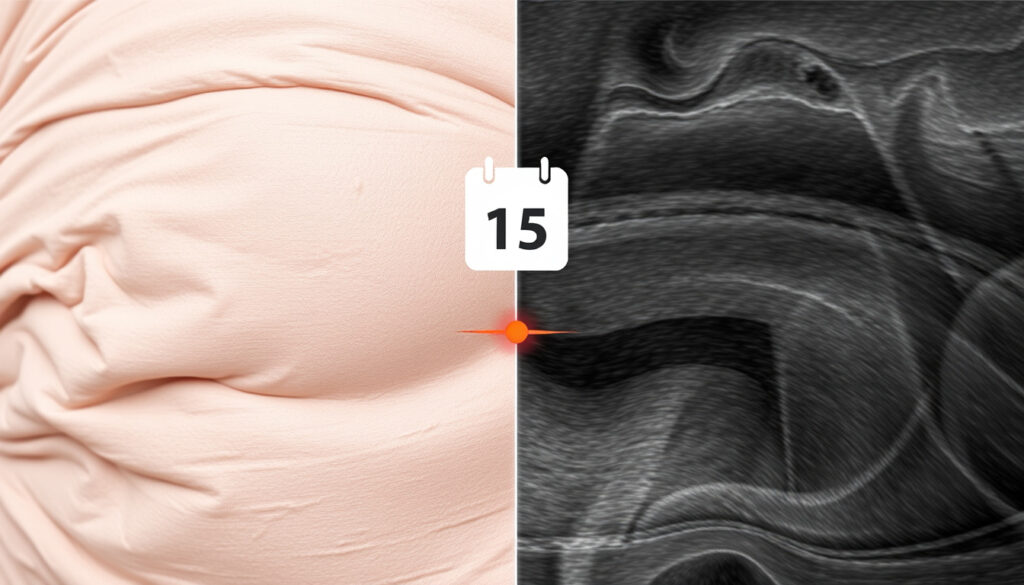
HIFU Before and After – Realistic Results and Timelines
High-Intensity Focused Ultrasound (HIFU) represents one of the most discussed non-invasive approaches to skin tightening and facial lifting available today. Unlike surgical facelifts, this technology delivers ultrasound energy to deeper skin layers without incisions, needles, or significant recovery time. For those considering the treatment, understanding what genuine before-and-after outcomes look like—along with realistic timelines and expectations—proves essential for making informed decisions.
Clinical studies and documented patient experiences provide valuable insight into how HIFU actually performs across different areas of the face and body. The technology has gained FDA clearance specifically for lifting purposes, though results vary based on individual factors including age, skin condition, and treatment area. Examining verified before-and-after documentation helps set appropriate expectations for those exploring this option.
This guide examines what real patients experience before and after HIFU treatment, drawing from clinical research and documented case studies to separate marketing claims from measurable outcomes.
What Do Realistic HIFU Before and After Results Look Like?
Patient documentation—including sequential photographs taken under consistent lighting—reveals a consistent pattern of gradual improvement rather than immediate dramatic transformation. The most commonly documented areas include the jawline, neck, and cheeks, with stomach tightening also reported though less frequently photographed.
Real patient examples demonstrate these outcomes clearly. After a single HIFU session, many individuals show tighter, more defined jawline appearance immediately following treatment and at subsequent three-month check-ins. Those undergoing multiple sessions, such as three treatments focused specifically on the jawline, report more significant lifting and contoured appearance, with several patients noting increased confidence in their results. Full-face treatments encompassing jawline and neck typically show rejuvenated appearance with reduced folds at the three-month mark.
Consistent lighting and camera positioning in clinical before-and-after galleries allow for meaningful comparison. Results appear most natural when patients maintain realistic expectations about the gradual nature of collagen remodeling that occurs beneath the skin’s surface.
4-Column Overview Grid
Mild redness, subtle tightness
3-6 months post-treatment
12-18 months (up to 2 years)
Mild to moderate skin laxity
Key Insights from Before-and-After Documentation
- Results vary considerably by age, skin type, and provider expertise, with younger patients typically showing more responsive outcomes
- The treatment remains entirely non-invasive with no required downtime, distinguishing it from surgical alternatives
- FDA clearance exists specifically for lifting applications under the Ultherapy brand designation
- Combining HIFU with dermal fillers often produces more comprehensive aesthetic outcomes than either treatment alone
- Patient satisfaction reaches approximately 86% for jawline-specific improvements according to clinical surveys
- Natural-looking results without the stiff or overdone appearance associated with some surgical procedures
Snapshot Treatment Facts
| Fact | Details |
|---|---|
| Treatment Duration | 30-90 minutes depending on areas treated |
| Recovery Period | None required; return to normal activities immediately |
| Sessions Typically Needed | 1-2 initial sessions with annual maintenance |
| Cost Range | Varies by geographic location and clinic; positioned as cost-effective alternative to surgery |
What Is the Timeline for HIFU Results?
Understanding the progression of HIFU outcomes helps patients plan appropriately and maintain realistic expectations throughout their treatment journey. The timeline below reflects documented observations from clinical studies and patient-reported experiences across multiple treatment providers.
Immediate to One Week Post-Treatment
The earliest changes appear as subtle tightening sensations, particularly noticeable along the jawline where skin often feels like it is “hugging closer to the bone.” Minor redness and slight swelling represent the most common immediate side effects, typically resolving within one to two days. Many patients report that treated areas feel firmer when touched during this initial period. Some before-and-after photograph comparisons taken within the first week show early definition improvements along the jawline, though these changes remain subtle at this stage.
Two to Four Weeks Following Treatment
Skin texture continues smoothing while fine lines become less apparent. Jawline contouring becomes more noticeable during this phase, with patients frequently describing firmer feeling skin around the chin and mouth area. A split-face study involving 21 participants demonstrated measurable improvements in skin elasticity, including reduced wrinkle depth and minimized pore appearance at the four-week mark.
One to Three Months: The Peak Transformation Period
Clinical documentation identifies this window as when the most visible lifting occurs. Dermatologists report observing improvements exceeding 80% in nasolabial folds, jawline definition, and neck laxity during this period. Sequential photographs reveal sharper jawline definition, lifted cheeks, reduced jowls, and noticeably softened nasolabial and marionette lines. Patients commonly report receiving comments about looking “well-rested” during these months. Stomach treatments follow comparable timelines with tightening effects becoming visible as collagen remodeling progresses.
Six Months: Reaching Optimal Contouring
At this stage, patients typically achieve the firmest and most sculpted appearance the treatment will produce. Clinical galleries show significant jawline and neck tightening when comparing six-month photographs to baseline images. Pore size reduction continues contributing to overall skin quality improvements observed during this optimal phase.
Twelve Months and Beyond: Maintaining Results
Clinical follow-up documentation confirms that results persist for 12-18 months, with some individuals maintaining improvements for up to two years. Dermatologists generally recommend annual maintenance sessions to sustain the lifting effects long-term. One published study documented sustained lifting effects at the one-year follow-up point, supporting the durability of properly delivered HIFU treatment.
Patients planning events or special occasions should schedule their HIFU session approximately three to six months in advance to allow for optimal results to develop. The gradual nature of collagen remodeling means results continue improving well after the actual treatment date.
Is HIFU Painful and What Are the Side Effects?
Clinical documentation and patient reports consistently describe HIFU as producing mild and temporary effects rather than significant discomfort. Understanding the actual experience helps prospective patients prepare appropriately for their appointment.
Common Sensations During Treatment
Most patients report experiencing tingling and tenderness in the treated areas while the ultrasound energy is being delivered. Clinical providers typically apply topical numbing agents before beginning treatment to manage these sensations. The discomfort level varies depending on individual pain tolerance and the specific areas being treated, with bone-proximate regions like the jawline often feeling more sensitive than softer tissue areas.
Post-Treatment Effects
Redness and swelling represent the most frequently observed side effects, affecting the majority of patients to some degree. These effects consistently resolve within one to two days according to documented clinical observations. A study examining 75 patients reported mostly mild effects across the entire participant group, supporting the favorable safety profile of the procedure. In rare instances, prolonged puffiness has been documented in thin areas such as around the eyes and along the jawline, though these cases remain uncommon.
While HIFU demonstrates a favorable safety profile in clinical studies, individual responses vary. Patients should discuss their complete medical history and any skin conditions with their provider before proceeding. The treatment targets deeper skin layers, making proper device calibration and operator expertise essential for both safety and optimal results.
How Many Sessions Do You Need and Who Qualifies for HIFU?
Treatment planning varies significantly based on individual goals, existing skin laxity, and the specific areas requiring attention. Clinical evidence and documented patient experiences provide guidance for determining appropriate candidacy and session recommendations.
Recommended Session Guidelines
For many patients, a single HIFU session produces noticeable and satisfying results. Those seeking enhanced jawline definition may benefit from three sessions spaced appropriately, with clinical documentation showing more significant lifting and contoured appearance after multiple treatments. Annual maintenance sessions help preserve results beyond the initial 12-18 month period, with providers typically recommending yearly follow-up appointments to sustain the lifting effects.
Ideal Candidate Profile
Clinical guidance identifies several characteristics that typically indicate favorable candidates. Individuals in their thirties through fifties experiencing mild to moderate skin sagging respond particularly well to HIFU treatment. Those with specific concerns including jawline jowls, neck crepiness, cheek laxity, or early wrinkle formation represent the core demographic for this procedure. Candidates generally maintain reasonable skin tone but have experienced collagen decline that surgical interventions might address in older patients. Individuals who prefer non-surgical approaches with gradual results over dramatic invasive options align well with HIFU’s actual capabilities.
Treatment Areas and Applications
Clinical documentation demonstrates HIFU effectiveness across multiple body regions. The jawline remains the most frequently treated and photographed area, with substantial before-and-after evidence supporting its efficacy. The neck responds well to treatment, with visible tightening and reduced crepiness documented in clinical galleries. Full facial treatment encompassing cheeks and surrounding areas produces comprehensive rejuvenation effects. Body applications including stomach tightening follow similar timelines though face and neck results dominate available documentation.
Clinical experts frequently recommend combining HIFU with complementary treatments such as dermal fillers for more comprehensive facial rejuvenation. While HIFU addresses skin laxity and structural lifting, fillers restore volume loss that contributes to aged appearance, and the two approaches work synergistically when properly coordinated.
What Does the Science Behind HIFU Actually Reveal?
HIFU technology delivers focused ultrasound energy to precise depths beneath the skin’s surface, generating controlled thermal effects that stimulate the body’s natural collagen production processes. This non-invasive approach targets the same deep structural layers that surgical facelifts address, though without requiring incisions or significant recovery periods.
Clinical studies examining HIFU’s mechanism of action demonstrate that the ultrasound energy creates temporary thermal coagulation points at specific depths, typically ranging from 2-3mm in the dermis for shorter-term tightening effects. The body’s subsequent healing response involves renewed collagen synthesis, gradually reinforcing skin structure and producing the visible lifting effects documented in before-and-after photography.
When compared to alternative non-surgical approaches, HIFU occupies a distinct position. Unlike Botox injections that temporarily relax muscles, HIFU works by building structural support through collagen remodeling. Thread lifts provide mechanical repositioning, while HIFU stimulates tissue tightening from within. Ultherapy, frequently mentioned alongside HIFU, utilizes similar ultrasound technology and is sometimes referenced interchangeably in lifting contexts, though HIFU is often positioned as a more accessible alternative.
What Can Be Said with Certainty About HIFU Results?
Established Information
- Clinical studies demonstrate measurable improvements in skin laxity following HIFU treatment
- Peak results consistently appear at the 3-6 month mark across multiple research studies
- Patient satisfaction rates reach approximately 86% for jawline-specific treatments
- Side effects remain predominantly mild and temporary, resolving within days
- Results last 12-18 months without maintenance, extending to two years with proper follow-up
- Younger patients with mild to moderate laxity generally experience the most favorable outcomes
Information That Remains Unclear
- Precise cost ranges vary significantly by region and clinic without standardized benchmarks
- Long-term effects beyond two years lack extensive documentation
- Direct comparison studies between HIFU and Ultherapy remain limited
- Optimal treatment intervals for maintenance sessions require individualized assessment
- Results cannot be guaranteed for any specific patient
Clinical Research and Expert Perspectives on HIFU
Multiple clinical studies provide the evidentiary foundation for understanding HIFU’s actual performance. A prospective study conducted by Park and colleagues examined 20 female participants aged 37-75, treating jawline, cheek, perioral, and preauricular areas with follow-up assessments at 3-6 months. The researchers documented decreased wrinkles with the strongest improvements appearing on the jawline and cheeks.
A prospective pilot study led by Werschler followed 20 female participants aged 34-60 through one year of observation, demonstrating sustained lifting and tightening effects with high patient satisfaction throughout the follow-up period.
A clinical investigation involving 75 participants assessed HIFU effectiveness across jawline, nasolabial folds, and neck at three months, with physicians rating improvements exceeding 80% and patient satisfaction reaching 86% specifically for jawline outcomes. A split-face study with 21 participants documented improved skin elasticity, reduced wrinkles, and minimized pores at four weeks.
Patient testimonials collected through clinical settings describe results as “impressive” and “natural,” with individuals reporting increased confidence following treatment. Dermatologists documenting their observations note consistent wrinkle reduction and skin quality improvements across treated patients.
Summary: Understanding HIFU Before and After Outcomes
HIFU offers a documented non-surgical approach to skin tightening and facial lifting with measurable outcomes supported by clinical research. Sequential before-and-after documentation reveals consistent improvement patterns, with results peaking at three to six months and persisting for 12-18 months without maintenance treatment. The technology demonstrates particular effectiveness for individuals with mild to moderate skin laxity in the jawline, neck, and facial regions, with patient satisfaction rates approaching 86% for targeted jawline treatment.
Those considering HIFU should approach treatment with realistic expectations about the gradual nature of collagen remodeling and understand that results develop progressively rather than appearing immediately. Combining HIFU with complementary treatments under professional guidance may enhance overall outcomes. For individuals seeking to explore related skincare approaches, the Avene Thermal Spring Water Benefits resource provides additional information on supportive skincare options.
Frequently Asked Questions
Does HIFU really work for skin tightening?
Clinical studies and documented patient before-and-after photographs demonstrate that HIFU produces measurable skin tightening effects, particularly in the jawline and neck regions. Research shows 80%+ improvement ratings from physicians at three-month follow-up, with patient satisfaction reaching 86% for jawline outcomes.
What areas can HIFU treat?
HIFU demonstrates effectiveness across multiple body areas including the jawline, neck, cheeks, and stomach. The jawline represents the most frequently treated and documented area, with substantial clinical evidence supporting improvements in definition and reduced sagging.
How soon after HIFU treatment do you see results?
Initial subtle tightening may be noticeable within the first week following treatment. More significant improvements appear at two to four weeks as skin texture refines. The most dramatic visible results typically emerge between one and three months as collagen remodeling progresses toward its peak effect.
How long do HIFU results last?
Clinical documentation indicates that HIFU results persist for 12-18 months following initial treatment. With annual maintenance sessions, some patients report sustained improvements extending to two years or longer. Individual results vary based on age, skin condition, and lifestyle factors.
Is HIFU painful?
Most patients experience tingling and tenderness during HIFU treatment, with providers typically applying topical numbing agents to manage discomfort. Post-treatment effects including redness and swelling are mild and temporary, resolving within one to two days according to clinical documentation.
Who is the best candidate for HIFU?
Ideal candidates typically include individuals in their thirties through fifties experiencing mild to moderate skin laxity. Those with jawline jowls, neck crepiness, cheek laxity, or early wrinkle formation respond particularly well. Candidates should maintain realistic expectations about gradual results and prefer non-surgical approaches.
Are HIFU results permanent?
HIFU results are not permanent without ongoing maintenance. While the lifting effects can last 12-18 months, dermatologists recommend annual maintenance sessions to sustain results long-term. Without follow-up treatment, skin gradually returns to its pre-treatment condition as the natural aging process continues.
What is the cost of HIFU treatment?
Specific cost figures vary considerably by geographic location, clinic reputation, and treatment areas addressed. HIFU is generally positioned as a cost-effective alternative to surgical facelifts, though patients should consult directly with providers in their area for accurate pricing based on their specific treatment goals.
More related posts
 6-Month T-Bill Auction: How to Buy, Yields & Costs
 Remove Text from Image Online Free with Top AI Tools
 Lee Hui Ying: PAP MP for Nee Soon GRC – Biography & Facts
 iPhone 16 Pro Max Price: Costs, Drops & Deals (2025)
 Satay Skewers Near Me: Find Local Chicken Satay
 Kurs Dollar Singapore Hari Ini: Live SGD to IDR Rates
 What Is a Commuter Bike? Guide to Choosing Your Daily Ride
 Translate English to Indonesian Bahasa: Free Tools, Phrases
