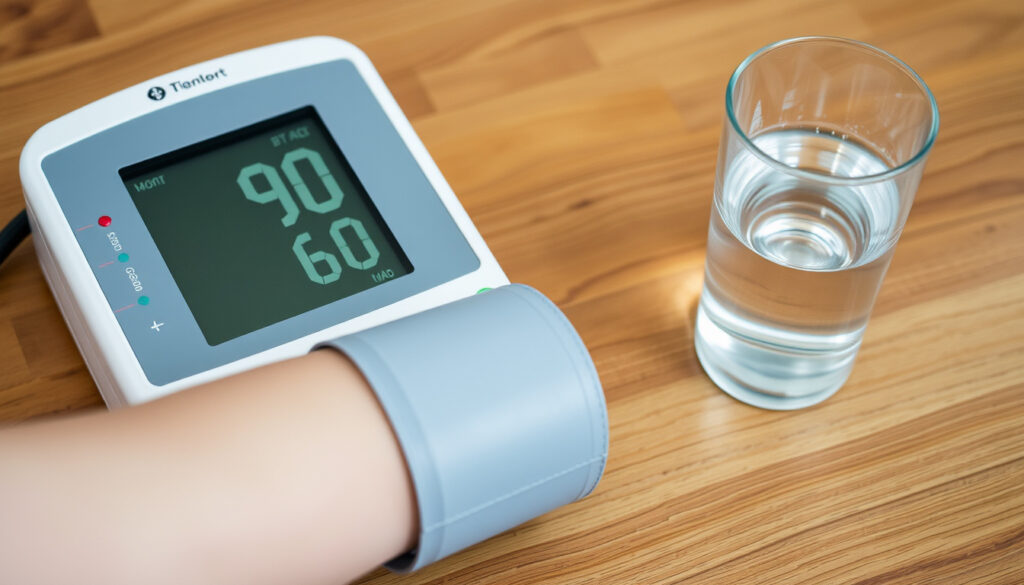
Low Blood Pressure Range: When Is It Dangerously Low
Most people worry about high blood pressure, but a reading that dips too low can be just as disorienting. If you’ve ever stood up too fast and felt the room spin, you’ve had a taste of what happens when your blood pressure drops below its usual range. This guide unpacks the numbers behind hypotension — when a 90/60 reading is cause for concern, when it’s just your normal, and what to do about it.
Clinical low blood pressure threshold: Below 90/60 mmHg ·
Normal blood pressure range: 90/60 to 120/80 mmHg ·
Prevalence of symptomatic hypotension: Approximately 5% of adults ·
Commonly affected group: Older adults and those on certain medications
Quick snapshot
- 90/60 mmHg to 120/80 mmHg · Optimal for most adults · No symptoms (NHS health guidance)
- Below 90/60 mmHg · May cause dizziness or fatigue · Often temporary (Mayo Clinic definition)
- Below 80/50 mmHg or diastolic under 50 · Severe symptoms: fainting, shock · Immediate attention needed (Cleveland Clinic warning)
- Older adults: lower baseline may be normal · Younger women: occasionally below 90/60 · Children: varies by size and age (NHS overview)
Four key numbers, one pattern: the threshold between “fine” and “danger” depends heavily on who you are. Here’s how the ranges break down.
| Label | Value |
|---|---|
| Clinical low BP definition | Less than 90/60 mmHg (NHS) |
| Normal range | 90/60 to 120/80 mmHg (Mayo Clinic) |
| Symptomatic threshold | Often below 90/60, but varies (Cleveland Clinic) |
| Common cause | Dehydration, medication side effects (NHS) |
How to fix low blood pressure?
Lifestyle changes
- Increase your salt intake — While most health guidelines recommend limiting sodium, people with chronic hypotension may benefit from a slightly higher salt allowance. The Mayo Clinic notes this strategy works only when the root cause is low blood volume.
- Drink more water — Dehydration is one of the most direct causes of low blood pressure. Increasing fluid intake boosts blood volume, which raises pressure. NHS guidelines recommend 6-8 glasses a day, more in hot weather or during exercise.
- Wear compression stockings — These snug stockings help push blood back up from the legs toward the heart. The Mayo Clinic recommends them especially for people with orthostatic hypotension.
Dietary adjustments
Eating smaller, more frequent meals can prevent postprandial hypotension — the blood pressure dip that follows large meals. Foods high in vitamin B12 and folate, such as eggs, fortified cereals, and leafy greens, may help prevent anemia-related low blood pressure. Healthdirect Australia notes that anemia reduces oxygen-carrying capacity in the blood, which can contribute to hypotension.
Medical treatments
- Fludrocortisone — This medication helps increase blood volume by making the kidneys retain more sodium. It is often prescribed for chronic orthostatic hypotension (Mayo Clinic).
- Midodrine — This drug narrows blood vessels, raising blood pressure. It’s used in cases where lifestyle changes are not enough (Cleveland Clinic).
For someone whose hypotension stems from medication side effects, the fix is often simpler: adjusting the dose or timing. The first step is always identifying the cause — not reaching for the saltshaker.
What are the causes of low blood pressure?
Dehydration
When your body loses more water than it takes in, blood volume drops, and so does pressure. The NHS lists dehydration as one of the most common reversible causes of low blood pressure. Even mild dehydration can reduce blood volume enough to cause lightheadedness.
Heart problems
Conditions such as bradycardia (abnormally slow heart rate), heart valve disease, and heart failure can impede the heart’s ability to pump enough blood. The Mayo Clinic notes that when the heart fails to pump forcefully enough, blood pressure drops as a consequence.
Endocrine issues
- Diabetes — Autonomic neuropathy from diabetes can damage nerves that control blood pressure. NHS guidance flags this as a common cause of orthostatic hypotension in people with long-term diabetes.
- Thyroid and adrenal disorders — Conditions like Addison’s disease and hypothyroidism interfere with hormone regulation of blood pressure (Healthdirect Australia).
Blood loss
Significant blood loss from injury, internal bleeding, or heavy menstrual periods reduces the amount of blood circulating, driving pressure down. The MSD Manual calls this a common cause of sudden hypotension requiring immediate medical attention.
Medications
A wide range of prescriptions can lower blood pressure as a side effect. Penn Medicine lists alcohol, anti-anxiety medications, antidepressants, diuretics, heart medicines, surgical medications, and painkillers among the culprits. Beta-blockers and alpha-blockers are especially known for this effect.
What is a dangerously low BP level?
Clinical definition below 90/60 mmHg
The universally accepted medical threshold for low blood pressure is a reading lower than 90/60 mmHg, according to the NHS. The British Heart Foundation puts the bar slightly lower at under 89/59mmHg. Both agree that the number alone does not determine danger — symptoms do.
Dangerous levels for diastolic
A diastolic reading consistently below 60 mmHg may signal that not enough blood is reaching the heart muscle itself. The Cleveland Clinic warns that when diastolic drops below 50 mmHg, the risk of inadequate blood flow to vital organs rises sharply.
When to seek emergency
- Severe hypotension — Readings below 80/50 mmHg combined with symptoms such as confusion or fainting require emergency care (Cleveland Clinic).
- Shock signs — Blueish skin, rapid shallow breathing, cold clammy skin, weak rapid pulse signal septic or cardiogenic shock (Healthdirect Australia).
The “dangerous” diastolic number is not universal. A healthy athlete might feel fine at 50/30, while a 75-year-old on blood pressure medication could be in crisis at the same number. The pattern: context matters more than the number alone.
When to worry if blood pressure is low?
Symptoms requiring attention
The difference between normal hypotension and dangerous hypotension comes down to symptoms. The NHS lists dizziness, fainting, blurred vision, and nausea as the most common red flags. Cleveland Clinic adds fatigue, confusion, and unusually rapid breathing to the list.
Severe hypotension
- Dizziness or fainting when standing up quickly (orthostatic hypotension) — Mayo Clinic
- Rapid, shallow breathing and cold, clammy skin — Healthdirect Australia
- Confusion, disorientation, or unusual behavior — Cleveland Clinic
Shock signs
If low blood pressure accompanies signs of shock — cold limbs, weak pulse, blueish lips — it is a medical emergency. The MSD Manual describes this as a condition where the body’s organs are not receiving enough oxygen, requiring immediate hospital care.
A person who feels fine at 85/55 does not need treatment. But the same reading in someone with sudden confusion or chest pain could indicate shock, a pulmonary embolism, or a heart attack. No single number dictates the call — the symptom context does.
What drink brings up blood pressure?
Water
Plain water is the first-line drink for raising low blood pressure. Increasing fluid intake boosts blood volume, which in turn increases pressure. The NHS recommends 6-8 glasses per day as a baseline for maintaining healthy circulation.
Caffeine
Caffeine temporarily raises blood pressure by causing blood vessels to constrict. A morning coffee or tea can produce a short-term increase of 5-10 mmHg in some people, though the effect diminishes with regular consumption. The Mayo Clinic notes that caffeine is not a long-term solution but can help in acute situations.
Electrolyte drinks
Drinks containing sodium and potassium support blood volume and help maintain pressure. Sports drinks or oral rehydration solutions can be particularly useful after exercise or during illness when fluid loss is high (Healthdirect Australia).
riversideonline.com, azcardiologist.com, nhsinform.scot, hee.nhs.uk, en.wikipedia.org
Understanding what qualifies as a dangerously low reading is essential, and the low blood pressure range offers a clear breakdown of the numbers to watch.
Frequently asked questions
Can low blood pressure cause headaches?
Yes, some people with hypotension report mild headaches, particularly if the drop in pressure is sudden. However, headaches are not among the most commonly listed symptoms by the NHS or Mayo Clinic.
Is low blood pressure genetic?
The NHS notes that low blood pressure can run in families and may be a normal inherited trait in otherwise healthy people.
Does low blood pressure mean you are unhealthy?
Not necessarily. Many healthy people, especially athletes and younger adults, naturally have readings below 90/60 without symptoms. It becomes a health concern only when symptoms accompany the low reading.
Can low blood pressure be cured?
It depends on the cause. Hypotension from dehydration resolves with fluids. Hypotension from medication may be managed by adjusting the dose. Chronic conditions like autonomic neuropathy require ongoing management rather than a cure.
What is the best time to measure blood pressure for hypotension?
Measure first thing in the morning and after standing — orthostatic hypotension is often most evident within 3 minutes of standing. The Mayo Clinic recommends checking both lying and standing readings to capture the drop.
Does low blood pressure increase risk of falls?
Yes. Dizziness and fainting from orthostatic hypotension are direct fall risks, especially in older adults who may already have balance issues (Cleveland Clinic).
Related reading
If you found this guide helpful, these related articles offer further insights:
More related posts
 Healthy Dinner Recipes for Two: Nutritious Meals for Couples
 Malaysia to Singapore Currency: Exchange Rates & Cost Guide
 Burnley FC vs Liverpool FC: Prediction, Results & Highlights
 Singapore Public Holidays 2025: Dates & Key Rules
 Sales of Balance Flat 2025 – Stable Trends and Buyer Insights
 Clinic Open Near Me – Find Open Clinics and Urgent Care Now
 Goh Chok Tong’s Son Jailed? Full Story of Goh Jin Hian
 Admin or Office Jobs in Ireland: Dublin Openings & Salaries
