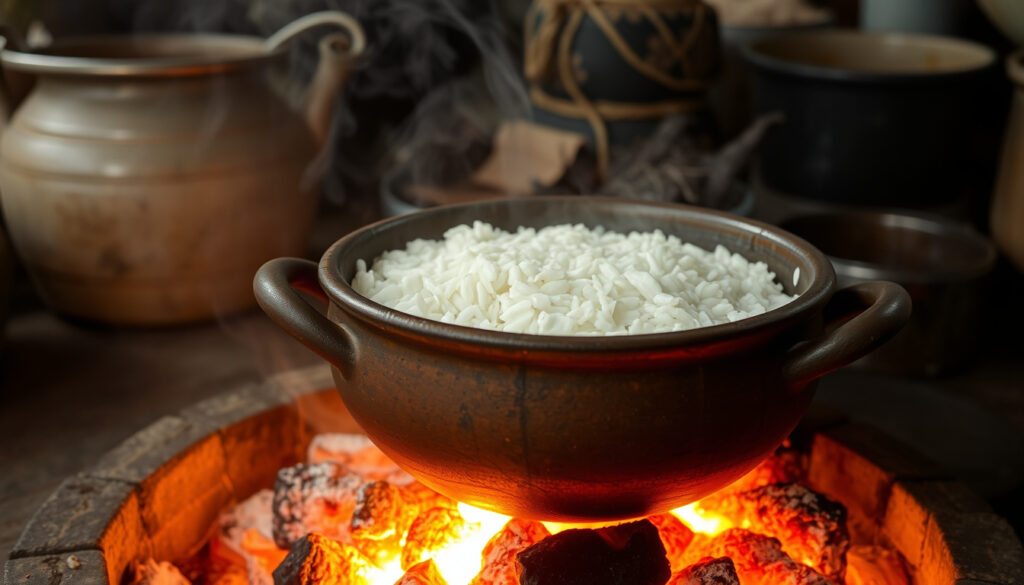
He Ping Claypot Rice: 45 Years of Charcoal Tradition
If you’ve ever smelled charcoal-roasted rice wafting from a clay pot, you know why people queue for it. At He Ping Claypot Rice on Sims Avenue, that fragrance has drawn hungry diners for more than four decades.
Years in Operation: Over 40 years ·
Cooking Method: Charcoal-fired clay pots ·
Rating: 4.0/5 (TripAdvisor) ·
Price Range: S$10 – S$30
Quick snapshot
- Address: 148 Sims Avenue, Singapore 387470 (TripAdvisor)
- Charcoal-fired cooking method (TripAdvisor)
- Closed on Mondays (TripAdvisor)
- Family-run for over 40 years (Daniel Food Diary)
- Exact founding year is not officially confirmed
- Full menu beyond chicken, pork, beef, and frog leg is not documented
- Nutritional data is unavailable
- Established over 40 years ago (around 1979–1984) (Daniel Food Diary)
- He Ping continues to draw crowds seeking traditional charcoal-cooked claypot rice
- No official website or delivery platform as of 2024
| Attribute | Details | Source |
|---|---|---|
| Address | 148 Sims Avenue, Singapore 387470 | TripAdvisor |
| Cuisine | Chinese – Cantonese-style claypot rice | TripAdvisor |
| Opening hours (Tue–Sat & Sun) | 11:30 AM–2:30 PM and 5:00 PM–12:00 AM | TripAdvisor |
| Closed days | Mondays | TripAdvisor |
| Cooking method | Charcoal-fired clay pots | TripAdvisor |
| Years in operation | Over 40 years | Daniel Food Diary |
| Signature dish price (chicken) | S$10 (small), S$20 (medium), S$30 (large) | Chue On It (blog) |
| Menu highlights | Chicken, pork, beef claypot rice; Kung Po Frog Leg | Chue On It (blog) |
What is Claypot Rice Called and What Makes It Special?
What is the origin of claypot rice?
Claypot rice, known in Cantonese as bo zai fan ( ), is a classic one-pot dish. He Ping’s version stays true to its roots: rice is cooked in a seasoned clay pot over a charcoal fire, giving it a distinctive smoky aroma (Chue On It (food blog)). The pot itself—porous and heat-retaining—creates a crispy crust at the bottom that fans scrape up as a bonus.
Why does claypot rice have a smoky flavor?
Charcoal heat is uneven and intense, which caramelises the soy-based sauce and chars the rice edges. He Ping uses traditional charcoal rather than gas, which diners say makes a real difference (TripAdvisor reviews).
What are the key ingredients?
Typical ingredients include long-grain jasmine rice, chicken or pork, Chinese sausage, salted fish, and a dark soy sauce mixture. He Ping offers chicken, pork, and beef versions, plus a frog leg special (Chue On It (food blog)).
The takeaway: The combination of charcoal, clay, and fresh ingredients is what separates this dish from standard rice-cooker meals. He Ping has built its reputation on preserving that process.
For a dish so reliant on technique, the restaurant’s insistence on charcoal cooking means each pot takes 20–30 minutes to prepare—but regulars say the wait is part of the experience.
What Kind of Rice is Best for Claypot Rice?
How long should you soak rice for claypot rice?
Long-grain jasmine rice is the standard because it stays firm and separate during the long cooking process. Chefs recommend soaking the rice for at least 30 minutes before cooking to ensure even hydration.
How to prepare rice before cooking?
- Rinse rice thoroughly to remove excess starch.
- Soak in cold water for 30 minutes, then drain.
- Use a ratio of roughly 1:1.2 rice to water.
The pattern: The pre-soak step is critical—skipping it leads to unevenly cooked grains. He Ping’s kitchen, like most traditional stalls, follows this method to guarantee texture.
If you’re replicating at home, don’t rush the soak. Thirty minutes makes the difference between fluffy rice and a starchy mess.
How to Eat Claypot Rice?
What is the proper way to eat claypot rice?
- When the pot arrives at the table, open the lid immediately to release steam.
- Drizzle dark soy sauce and sesame oil over the rice.
- Stir everything together, scraping the crispy crust (the guo ba) from the sides and bottom.
- Add chili paste or more soy sauce to taste—eat while piping hot.
How to add sauce and mix?
He Ping serves its claypot rice with a house-made dark sauce. Customers often mix in extra soy and chili (Chue On It (food blog)). The key is to work quickly so the rice doesn’t cool and the crust stays crisp.
The implication: The ritual of mixing is part of the experience—it’s not just eating, it’s customising each mouthful.
Is Claypot Rice Healthy? What Are the Disadvantages?
Nutritional profile of claypot rice
A serving of claypot rice with fatty meats and sauce can be high in calories (400–600 kcal) and sodium (over 1,000 mg). However, if prepared with lean protein and less sauce, it can be a balanced meal with minimal oil because the clay pot doesn’t require extra fat for cooking.
Common disadvantages of clay pot cooking
- Clay pots are fragile and can crack if heated too quickly.
- Cooking time is longer than a rice cooker (20–30 minutes vs. 10–15 minutes).
- The pot stays hot after serving, so food continues to cook; timing matters.
- High sodium and calorie content if not portion-controlled.
The trade-off: Claypot rice is not a diet food, but its cooking method retains more nutrients than boiling. For health-conscious diners, sharing a portion or choosing chicken over pork reduces fat.
The crispy crust is delicious but also the part that absorbs the most oil and sauce. Enjoy it, but be aware it adds extra calories.
Where to Find He Ping Claypot Rice? Location, Menu, and Reviews
What is the address and opening hours?
He Ping Claypot Rice is located at 148 Sims Avenue, Singapore 387470 (TripAdvisor). The nearest MRT is Aljunied (EW9), about a 10-minute walk. Hours are Tuesday–Saturday and Sunday: 11:30 AM–2:30 PM and 5:00 PM–12:00 AM; closed on Mondays.
What is on the He Ping menu?
He Ping’s menu centres on its signature charcoal-cooked claypot rice with a few protein options.
| Dish | Size | Price (S$) |
|---|---|---|
| Signature Claypot Chicken Rice | Small | S$10 |
| Signature Claypot Chicken Rice | Medium | S$20 |
| Signature Claypot Chicken Rice | Large | S$30 |
| Claypot Pork Rice | – | ~S$10–15 (not confirmed) |
| Claypot Beef Rice | – | ~S$10–15 (not confirmed) |
| Kung Po Frog Leg | – | Not listed |
Menu data based on Chue On It (food blog) and customer reports. Exact pricing for pork and beef is unconfirmed.
What do customers say about He Ping?
“Be prepared to wait 20–45 mins during peak hours — all worth it for that smoky aroma and authentic flavor!”
— Facebook post from He Ping video
“Here, u can choose between chicken, n pork. Haven’t tried the beef before.”
— Customer Andrew, on Facebook
The pattern: Nearly every review highlights the charcoal flavour as the reason to visit, but the wait is a recurring theme. He Ping is not a quick lunch—it’s a deliberate experience.
Comparison: Claypot Rice vs. Rice Cooker Rice
Two cooking methods, two very different outcomes. Here’s how they stack up:
| Aspect | Claypot Rice (He Ping style) | Rice Cooker Rice |
|---|---|---|
| Cooking time | 20–30 minutes | 10–15 minutes |
| Flavour | Smoky, charred edges | Neutral, no caramelisation |
| Texture | Fluffy top + crispy crust | Uniform, soft |
| Oil usage | Minimal (pot is greased) | None needed |
| Effort | Requires attention (soaking, charcoal) | Set and forget |
| Authenticity | Traditional Cantonese method | Modern convenience |
The catch: If you want the smoky crust and deep flavour, you can’t replicate it in a rice cooker. But for busy weeknights, convenience wins.
Pros and Cons of He Ping Claypot Rice
Upsides
- Authentic charcoal-cooked flavour
- Affordable pricing (from S$10)
- Family-run tradition for over 40 years
- Wide variety of meats and frog leg option
Downsides
- Long waiting times (20–45 min peak)
- Closed on Mondays; limited hours midday
- No official website or delivery
- High sodium/calorie content if not careful
Steps to Make Claypot Rice at Home (Inspired by the Traditional Method)
- Soak 1 cup of jasmine rice in cold water for 30 minutes; drain.
- Rub the inside of a clay pot with a little oil to prevent sticking.
- Add rice and 1.2 cups of water. Bring to a boil over medium heat.
- Once the water is absorbed, place marinated chicken (or other meat) on top.
- Cover, reduce heat to low, and cook for 15–20 minutes. If using charcoal, control heat by adjusting the grate.
- Drizzle with dark soy sauce and sesame oil. Scrape the crust from the bottom and mix.
- Serve immediately with chili sauce on the side.
Why this matters: The traditional charcoal method is hard to replicate at home, but this stove-top version gets you close. He Ping’s secret is the even charcoal heat—something a gas stove can’t fully mimic.
Related reading: Qiao Lu Roasted Duck Menu: Prices & Peking Duck Differences
Frequently Asked Questions
How long does it take to cook claypot rice?
Traditionally 20–30 minutes over charcoal. At home on a stove, 25–35 minutes.
Can I use brown rice for claypot rice?
Yes, but you’ll need to increase the water and cooking time. Brown rice has a chewier texture and won’t form as crisp a crust.
What is the traditional clay pot material?
Unglazed earthenware, which is porous and retains heat well. They are fragile and must be seasoned before first use.
Is claypot rice suitable for vegetarians?
He Ping does not offer a vegetarian version, but you can make it at home with vegetables, tofu, and mushroom sauce.
How do I clean a clay pot after cooking?
Let it cool completely. Soak in warm water, then scrub with a non-abrasive sponge. Avoid soap—it can seep into the pores.
What is the difference between claypot rice and biryani?
Both are layered rice dishes, but biryani uses spices and is often cooked in a sealed pot. Claypot rice relies on soy-based sauces and the charred crust.
Does He Ping Claypot Rice offer delivery?
As of 2024, there is no official delivery service. You can order takeaway by calling ahead.
For anyone who loves Cantonese comfort food, He Ping Claypot Rice delivers an experience that convenience cooking can’t touch. The trade-off is time: you wait, but you get a meal that’s been cooked the same way for decades. For Singaporean foodies who value authenticity over speed, the choice is clear: queue up at Sims Avenue, or miss out on one of the island’s most genuine bo zai fan experiences.
More related posts
 Digimon Story: Time Stranger Guide – Sequel, Grind, and Value
 Albirex Niigata (S) vs Tampines Rovers: Preview & H2H
 Full Time Jobs Singapore: Hours, Salary & Hiring 2026
 Decathlon Joo Koon Singapore: Location, Size, Products
 Healthy Dinner Recipes for Two: Nutritious Meals for Couples
 London School of Economics: Rankings, Fees & Admissions
 2026 Public Holidays Singapore: Full List and Long Weekends
